Buy 柊.com ?
We are moving the project
柊.com .
Are you interested in purchasing the domain
柊.com ?
domain@kv-gmbh.de · 0541-91531010
Buy 柊.com ?
What can you do in the botanical garden?
In a botanical garden, you can explore a wide variety of plant species from around the world, including flowers, trees, and shrubs. You can also learn about the different ecosystems and habitats that these plants come from. Many botanical gardens also offer educational programs, guided tours, and workshops on gardening and conservation. Additionally, you can relax and enjoy the beauty of nature, take photographs, and have a peaceful stroll through the gardens. **
What is the name of the botanical garden in Romberg Park?
The botanical garden in Romberg Park is called the Rombergpark Botanical Garden. It is located in Dortmund, Germany, and is known for its diverse collection of plants and flowers. The garden is a popular destination for locals and tourists alike, offering a peaceful and scenic environment to explore nature. **


Similar search terms for Tocopherol
Top-Angebote
Products related to Tocopherol:
-
Lamberts Vitamin E 400Ui Natural as D-alpha Tocopherol 60 CapsulesNutrition and Supplements Vitamins and minerals Lamberts Vitamin E 400Ui Natural as D-alpha Tocopherol 60 Capsules Vitamins are a group of organic nutrients essential for regulating chemical processes in the body. Generally, the body cannot synthesize them, so they must be obtained through food or in the form of dietary supplements. There are two main groups of vitamins: fat-soluble vitamins, such as vitamins A, D, and E, which can be dissolved in fat and stored in the body, and water-soluble vitamins, such as vitamins B and C, which are soluble in water and cannot be stored by the body. Natural vitamin E (d-alpha tocopherol) has been scientifically proven to be twice as potent as its synthetic counterpart (dl-alpha tocopherol) and has been hailed by many researchers as one of the most important dietary antioxidants known to man. Vitamin E protects every cell in the body from oxidative stress caused by reactive compounds called "free radicals," and these protective properties have placed vitamin E at the center of worldwide research. LAMBERTS supplies vitamin E in its natural d-alpha tocopherol form, as this is the form in which it is produced in foods. Research shows that natural vitamin E has superior biological activity and is more easily absorbed and retained in the body than synthetic vitamin E. The synthetic form is called dl-alpha tocopherol, and is the cheapest and most common form used in many vitamin E products. Scientific studies indicate that it can help maintain heart health by preventing the body's polyunsaturated fats from being converted into saturated fats through oxidation, thereby protecting all membranes, including those of the lungs and blood vessels. Lamberts Vitamin E is manufactured in the UK in facilities operating under strict GMP pharmaceutical manufacturing standards. Our vitamin E is extracted from a natural vegetable oil and supplied in gelatin-free capsules. Vitamin E is also found in vegetable oils, nuts and seeds (such as almonds and sunflower seeds), green leafy vegetables, and whole grains.17,21 £*Shipping: 3,99 £Secure redirect to the provider
-
Touched by Nature Baby Girl Organic Cotton Hooded Towels, Garden Floral, One Size - Garden Floral - One SizeTouched by Nature organic cotton hooded towels feature three hooded towels made of 100% organic cotton. Our organic cotton fabric is soft, comfortable and cozy for your little one after bath time.25,99 $*Shipping: 0,00 $Secure redirect to the provider



-
What does the Botanical Garden in Berlin look like in the spring?
In the spring, the Botanical Garden in Berlin is a vibrant and colorful oasis. The garden comes to life with blooming flowers, blossoming trees, and lush greenery. Visitors can enjoy the sight of tulips, daffodils, and cherry blossoms in full bloom, creating a picturesque and serene atmosphere. The air is filled with the sweet scent of flowers, and the garden is bustling with activity as people come to admire the beauty of nature in full bloom. **
-
What are floral diagrams and floral formulas?
Floral diagrams and floral formulas are tools used by botanists to represent the structure and arrangement of floral parts in a standardized and concise manner. Floral diagrams are graphical representations of a flower's structure, showing the relative position and number of floral parts such as sepals, petals, stamens, and carpels. On the other hand, floral formulas are shorthand notations that use symbols and numbers to represent the same information as the floral diagram, including the symmetry, fusion, and number of each floral part. Both floral diagrams and floral formulas are useful for comparing the floral structures of different plant species and for studying floral evolution and diversity. **
-
How does the foliage change color?
The foliage changes color due to a process called chlorophyll breakdown. As the days get shorter and temperatures drop in the fall, trees stop producing chlorophyll, the green pigment responsible for photosynthesis. This causes the green color to fade, revealing other pigments such as carotenoids (yellows and oranges) and anthocyanins (reds and purples) that were present in the leaves all along. The combination of these pigments creates the vibrant fall colors we see. **
-
Does autumn foliage consist of cellulose?
Yes, autumn foliage does consist of cellulose. Cellulose is a major component of plant cell walls and provides structural support to the plant. As the leaves change color in the autumn, the chlorophyll breaks down and the other pigments in the leaves, such as carotenoids and anthocyanins, become more visible. These pigments are also made up of organic compounds, including cellulose, which gives the leaves their characteristic colors during the fall season. **


How do I get to the Botanical Garden at Nymphenburg Palace in Munich for a date?
To get to the Botanical Garden at Nymphenburg Palace in Munich for a date, you can take public transportation such as the tram or bus. From the city center, you can take tram line 17 or bus line 51 to the Schloss Nymphenburg stop, which is right in front of the palace. From there, it's a short walk to the Botanical Garden. Alternatively, you can also take a taxi or use a ridesharing service to get there. Once at the palace, you and your date can enjoy a romantic stroll through the beautiful gardens and explore the diverse plant collections. **
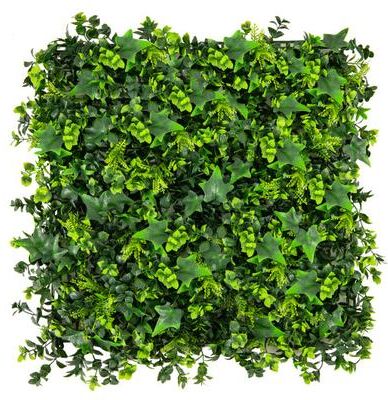
To which plant does this foliage belong?
This foliage belongs to a fern plant. Ferns are known for their feathery or lacy leaves that are called fronds. They are non-flowering plants that reproduce through spores. Ferns are commonly found in moist and shady environments, and they add a lush and tropical feel to gardens and indoor spaces. **
Top-Angebote
Products related to Tocopherol:
-
Terpenic Lab Tocopherol 10 ml 10 mlNutrition and Supplements Vitamins and minerals Terpenic Lab Tocopherol 10 ml 10 ml Vitamin E or tocopherol occurs naturally as a mixture of several forms (alpha, beta, gamma and delta). Its texture is oily with a characteristic vegetable oil smell. It is one of the main components of vegetable oils in its unsaponifiable part. Great antioxidant used in cosmetics and nutrition. Physicochemical Properties It is of low volatility. It has good solubility in vegetable oils, animal fats, organic solvents and ethyl alcohol. Poor solubility in water. Unstable with acids, mild alkalis and oxidizing agents. Uses and applications The indication for its antioxidant effect in cosmetics is due to the fact that it blocks the formation of nitrosamines in cosmetic products. Widely used in the elaboration of: Hand creams, lip balms, synergies with essential oils and soaps. At the food level, tocopherol is a food supplement since it is vitamin E. We recommend keeping it in a closed container in a cool, dry place in its original packaging.3,48 £*Shipping: 3,99 £Secure redirect to the provider
-
Lamberts Natural Vitamin E 250 IU as d-alpha tocopherolNutrition and Supplements Vitamins and minerals Lamberts Natural Vitamin E 250 IU as d-alpha tocopherol Vitamins are a group of organic nutrients essential for regulating chemical processes in the body. The body generally cannot synthesize them, so they must be obtained through food or in the form of dietary supplements. There are two main groups of vitamins: fat-soluble vitamins, such as vitamins A, D, and E, which can be dissolved in fat and stored in the body, and water-soluble vitamins, such as vitamins B and C, which are soluble in water and cannot be stored by the body. Natural vitamin E (d-alpha tocopherol) has been scientifically proven to be twice as potent as its synthetic counterpart (dl-alpha tocopherol) and has been hailed by many researchers as one of the most important dietary antioxidants known to man. Vitamin E protects every cell in the body from oxidative stress caused by reactive compounds called "free radicals," and these protective properties have placed vitamin E at the center of worldwide research. LAMBERTS supplies vitamin E in its natural d-alpha tocopherol form, as this is the form in which it is produced in foods. Research shows that natural vitamin E has superior biological activity and is more easily absorbed and retained in the body than synthetic vitamin E. The synthetic form is called dl-alpha tocopherol, and is the cheapest and most common form used in many vitamin E products. Scientific studies indicate that it can help maintain heart health by preventing the body's polyunsaturated fats from being converted into saturated fats through oxidation, thereby protecting all membranes, including those of the lungs and blood vessels. Lamberts Vitamin E is manufactured in the United Kingdom in facilities operating under strict GMP pharmaceutical manufacturing standards. Our vitamin E is extracted from a natural vegetable oil and supplied in gelatin-free capsules.15,51 £*Shipping: 3,99 £Secure redirect to the provider
-
Lamberts Vitamin E 400Ui Natural as D-alpha Tocopherol 60 CapsulesNutrition and Supplements Vitamins and minerals Lamberts Vitamin E 400Ui Natural as D-alpha Tocopherol 60 Capsules Vitamins are a group of organic nutrients essential for regulating chemical processes in the body. Generally, the body cannot synthesize them, so they must be obtained through food or in the form of dietary supplements. There are two main groups of vitamins: fat-soluble vitamins, such as vitamins A, D, and E, which can be dissolved in fat and stored in the body, and water-soluble vitamins, such as vitamins B and C, which are soluble in water and cannot be stored by the body. Natural vitamin E (d-alpha tocopherol) has been scientifically proven to be twice as potent as its synthetic counterpart (dl-alpha tocopherol) and has been hailed by many researchers as one of the most important dietary antioxidants known to man. Vitamin E protects every cell in the body from oxidative stress caused by reactive compounds called "free radicals," and these protective properties have placed vitamin E at the center of worldwide research. LAMBERTS supplies vitamin E in its natural d-alpha tocopherol form, as this is the form in which it is produced in foods. Research shows that natural vitamin E has superior biological activity and is more easily absorbed and retained in the body than synthetic vitamin E. The synthetic form is called dl-alpha tocopherol, and is the cheapest and most common form used in many vitamin E products. Scientific studies indicate that it can help maintain heart health by preventing the body's polyunsaturated fats from being converted into saturated fats through oxidation, thereby protecting all membranes, including those of the lungs and blood vessels. Lamberts Vitamin E is manufactured in the UK in facilities operating under strict GMP pharmaceutical manufacturing standards. Our vitamin E is extracted from a natural vegetable oil and supplied in gelatin-free capsules. Vitamin E is also found in vegetable oils, nuts and seeds (such as almonds and sunflower seeds), green leafy vegetables, and whole grains.17,21 £*Shipping: 3,99 £Secure redirect to the provider
-
What can you do in the botanical garden?
In a botanical garden, you can explore a wide variety of plant species from around the world, including flowers, trees, and shrubs. You can also learn about the different ecosystems and habitats that these plants come from. Many botanical gardens also offer educational programs, guided tours, and workshops on gardening and conservation. Additionally, you can relax and enjoy the beauty of nature, take photographs, and have a peaceful stroll through the gardens. **
-
What is the name of the botanical garden in Romberg Park?
The botanical garden in Romberg Park is called the Rombergpark Botanical Garden. It is located in Dortmund, Germany, and is known for its diverse collection of plants and flowers. The garden is a popular destination for locals and tourists alike, offering a peaceful and scenic environment to explore nature. **
-
What does the Botanical Garden in Berlin look like in the spring?
In the spring, the Botanical Garden in Berlin is a vibrant and colorful oasis. The garden comes to life with blooming flowers, blossoming trees, and lush greenery. Visitors can enjoy the sight of tulips, daffodils, and cherry blossoms in full bloom, creating a picturesque and serene atmosphere. The air is filled with the sweet scent of flowers, and the garden is bustling with activity as people come to admire the beauty of nature in full bloom. **
-
What are floral diagrams and floral formulas?
Floral diagrams and floral formulas are tools used by botanists to represent the structure and arrangement of floral parts in a standardized and concise manner. Floral diagrams are graphical representations of a flower's structure, showing the relative position and number of floral parts such as sepals, petals, stamens, and carpels. On the other hand, floral formulas are shorthand notations that use symbols and numbers to represent the same information as the floral diagram, including the symmetry, fusion, and number of each floral part. Both floral diagrams and floral formulas are useful for comparing the floral structures of different plant species and for studying floral evolution and diversity. **
Similar search terms for Tocopherol
-
Touched by Nature Baby Girl Organic Cotton Hooded Towels, Garden Floral, One Size - Garden Floral - One SizeTouched by Nature organic cotton hooded towels feature three hooded towels made of 100% organic cotton. Our organic cotton fabric is soft, comfortable and cozy for your little one after bath time.25,99 $*Shipping: 0,00 $Secure redirect to the provider
-
Galerie Wallcoverings Secret Garden Botanical Floral Non-woven Matte Wallpaper RollCalming and beautiful botanical wallpaper in matte tones. Inspired by Mother Nature this delicate flower trail wallpaper with a country cottage feel brings the freshness of the outdoors to brighten your home.151,96 $*Shipping: 0,00 $Secure redirect to the provider
-
How does the foliage change color?
The foliage changes color due to a process called chlorophyll breakdown. As the days get shorter and temperatures drop in the fall, trees stop producing chlorophyll, the green pigment responsible for photosynthesis. This causes the green color to fade, revealing other pigments such as carotenoids (yellows and oranges) and anthocyanins (reds and purples) that were present in the leaves all along. The combination of these pigments creates the vibrant fall colors we see. **
-
Does autumn foliage consist of cellulose?
Yes, autumn foliage does consist of cellulose. Cellulose is a major component of plant cell walls and provides structural support to the plant. As the leaves change color in the autumn, the chlorophyll breaks down and the other pigments in the leaves, such as carotenoids and anthocyanins, become more visible. These pigments are also made up of organic compounds, including cellulose, which gives the leaves their characteristic colors during the fall season. **
-
How do I get to the Botanical Garden at Nymphenburg Palace in Munich for a date?
To get to the Botanical Garden at Nymphenburg Palace in Munich for a date, you can take public transportation such as the tram or bus. From the city center, you can take tram line 17 or bus line 51 to the Schloss Nymphenburg stop, which is right in front of the palace. From there, it's a short walk to the Botanical Garden. Alternatively, you can also take a taxi or use a ridesharing service to get there. Once at the palace, you and your date can enjoy a romantic stroll through the beautiful gardens and explore the diverse plant collections. **
-
To which plant does this foliage belong?
This foliage belongs to a fern plant. Ferns are known for their feathery or lacy leaves that are called fronds. They are non-flowering plants that reproduce through spores. Ferns are commonly found in moist and shady environments, and they add a lush and tropical feel to gardens and indoor spaces. **
* All prices are inclusive of VAT and, if applicable, plus shipping costs. The offer information is based on the details provided by the respective shop and is updated through automated processes. Real-time updates do not occur, so deviations can occur in individual cases. ** Note: Parts of this content were created by AI.