Buy 柊.com ?
We are moving the project
柊.com .
Are you interested in purchasing the domain
柊.com ?
domain@kv-gmbh.de · 0541-91531010
Buy 柊.com ?
Is the capitalization correct?
Yes, the capitalization is correct. **
Is the capitalization good?
Yes, the capitalization is good. The sentences begin with capital letters and proper nouns are capitalized as well. Overall, the writing follows standard capitalization rules and is clear and easy to read. **

Similar search terms for Capitalization
Top-Angebote
Products related to Capitalization:
-
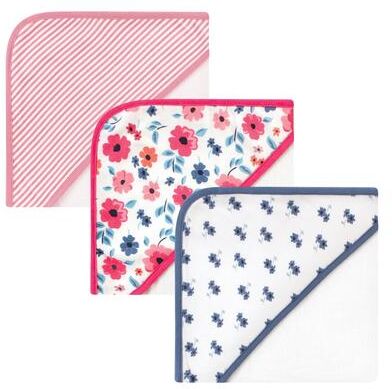
Touched by Nature Baby Girl Organic Cotton Hooded Towels, Garden Floral, One Size - Garden Floral - One SizeTouched by Nature organic cotton hooded towels feature three hooded towels made of 100% organic cotton. Our organic cotton fabric is soft, comfortable and cozy for your little one after bath time.25,99 $*Shipping: 0,00 $Secure redirect to the provider
-
Galerie Wallcoverings Secret Garden Botanical Floral Non-woven Matte Wallpaper RollCalming and beautiful botanical wallpaper in matte tones. Inspired by Mother Nature this delicate flower trail wallpaper with a country cottage feel brings the freshness of the outdoors to brighten your home.151,96 $*Shipping: 0,00 $Secure redirect to the provider
-
Uplift Picks Botanical Branch And Leaf Wall Sticker For Fresh Nature Inspired Decor Botanical Branch And Leaf Wall Sticker For Fresh Nature Inspired DecorCreate a calmer, more inviting space with greenery that stays beautiful every day. This branch and leaf wall sticker adds a soft botanical accent without requiring plants, shelves, or framed artwork. Designed for anyone who loves simple...66,48 $*Shipping: 0,00 $Secure redirect to the provider
-
Living Luxury "Set of 2 Frosted Burgundy Artificial Boxwood Leaf Stem Plant Greenery Foliage Bush 21in - 21"" L x 12"" W x 12"" DP"Lush and full, these faux boxwood leaf greenery foliage bushes exude a natural and lively feel for your home, office, production,or special event venue.52,49 $*Shipping: 0,00 $Secure redirect to the provider


-
Does Japanese have capitalization?
No, Japanese does not have capitalization in the same way that English does. In Japanese writing, there is no distinction between uppercase and lowercase letters. Instead, the language relies on other methods, such as kanji characters and context, to convey meaning and emphasis. Therefore, capitalization is not a feature of the Japanese writing system. **
-
Capitalization in these cases?
In these cases, capitalization is not necessary. The words "in," "these," and "cases" are all considered common nouns and do not require capitalization unless they are at the beginning of a sentence. Only proper nouns, such as names of specific people, places, or things, should be capitalized. **
-
How does capitalization work?
Capitalization refers to the use of uppercase letters at the beginning of a word. In English, proper nouns such as names of people, places, and organizations are capitalized. The first word in a sentence is also capitalized, as well as the pronoun "I." Titles of books, movies, and songs are typically capitalized. It is important to pay attention to capitalization rules to ensure clear and correct writing. **
-
Should capitalization be abolished?
Capitalization serves an important purpose in written language by indicating the beginning of a sentence, proper nouns, and titles. It helps to clarify and organize written text, making it easier to read and understand. Abolishing capitalization would likely lead to confusion and make written communication less clear. Therefore, capitalization should not be abolished as it plays a crucial role in written language. **


Small question about capitalization
When it comes to capitalization, it's important to remember that proper nouns, such as names of specific people, places, and things, should always be capitalized. Additionally, the first word of a sentence and the pronoun "I" should also be capitalized. However, common nouns and most adjectives should not be capitalized unless they are part of a title or are being used in a specific, formal context. It's always a good idea to double-check the rules of capitalization to ensure that your writing is clear and correct. **
Capitalization of German Empire?
The German Empire was officially capitalized as "Deutsches Reich" in German. In English, it is typically capitalized as "German Empire" when referring to the historical state that existed from 1871 to 1918. When discussing the government or specific institutions of the German Empire, such as the Reichstag or the Kaiser, those terms would also be capitalized. **
Top-Angebote
Products related to Capitalization:
-
Touched by Nature Baby Girl Organic Cotton Hooded Towels, Garden Floral, One Size - Garden Floral - One SizeTouched by Nature organic cotton hooded towels feature three hooded towels made of 100% organic cotton. Our organic cotton fabric is soft, comfortable and cozy for your little one after bath time.25,99 $*Shipping: 0,00 $Secure redirect to the provider
-
Galerie Wallcoverings Secret Garden Botanical Floral Non-woven Matte Wallpaper RollCalming and beautiful botanical wallpaper in matte tones. Inspired by Mother Nature this delicate flower trail wallpaper with a country cottage feel brings the freshness of the outdoors to brighten your home.151,96 $*Shipping: 0,00 $Secure redirect to the provider
-
Is the capitalization correct?
Yes, the capitalization is correct. **
-
Is the capitalization good?
Yes, the capitalization is good. The sentences begin with capital letters and proper nouns are capitalized as well. Overall, the writing follows standard capitalization rules and is clear and easy to read. **
-
Does Japanese have capitalization?
No, Japanese does not have capitalization in the same way that English does. In Japanese writing, there is no distinction between uppercase and lowercase letters. Instead, the language relies on other methods, such as kanji characters and context, to convey meaning and emphasis. Therefore, capitalization is not a feature of the Japanese writing system. **
-
Capitalization in these cases?
In these cases, capitalization is not necessary. The words "in," "these," and "cases" are all considered common nouns and do not require capitalization unless they are at the beginning of a sentence. Only proper nouns, such as names of specific people, places, or things, should be capitalized. **
Similar search terms for Capitalization
-
Uplift Picks Botanical Branch And Leaf Wall Sticker For Fresh Nature Inspired Decor Botanical Branch And Leaf Wall Sticker For Fresh Nature Inspired DecorCreate a calmer, more inviting space with greenery that stays beautiful every day. This branch and leaf wall sticker adds a soft botanical accent without requiring plants, shelves, or framed artwork. Designed for anyone who loves simple...66,48 $*Shipping: 0,00 $Secure redirect to the provider
-
Living Luxury "Set of 2 Frosted Burgundy Artificial Boxwood Leaf Stem Plant Greenery Foliage Bush 21in - 21"" L x 12"" W x 12"" DP"Lush and full, these faux boxwood leaf greenery foliage bushes exude a natural and lively feel for your home, office, production,or special event venue.52,49 $*Shipping: 0,00 $Secure redirect to the provider
-
Galerie Wallcoverings Secret Garden Botanical Floral Non-woven Matte Wallpaper RollCalming and beautiful botanical wallpaper in matte tones. Inspired by Mother Nature this delicate flower trail wallpaper with a country cottage feel brings the freshness of the outdoors to brighten your home.151,96 $*Shipping: 0,00 $Secure redirect to the provider
-
How does capitalization work?
Capitalization refers to the use of uppercase letters at the beginning of a word. In English, proper nouns such as names of people, places, and organizations are capitalized. The first word in a sentence is also capitalized, as well as the pronoun "I." Titles of books, movies, and songs are typically capitalized. It is important to pay attention to capitalization rules to ensure clear and correct writing. **
-
Should capitalization be abolished?
Capitalization serves an important purpose in written language by indicating the beginning of a sentence, proper nouns, and titles. It helps to clarify and organize written text, making it easier to read and understand. Abolishing capitalization would likely lead to confusion and make written communication less clear. Therefore, capitalization should not be abolished as it plays a crucial role in written language. **
-
Small question about capitalization
When it comes to capitalization, it's important to remember that proper nouns, such as names of specific people, places, and things, should always be capitalized. Additionally, the first word of a sentence and the pronoun "I" should also be capitalized. However, common nouns and most adjectives should not be capitalized unless they are part of a title or are being used in a specific, formal context. It's always a good idea to double-check the rules of capitalization to ensure that your writing is clear and correct. **
-
Capitalization of German Empire?
The German Empire was officially capitalized as "Deutsches Reich" in German. In English, it is typically capitalized as "German Empire" when referring to the historical state that existed from 1871 to 1918. When discussing the government or specific institutions of the German Empire, such as the Reichstag or the Kaiser, those terms would also be capitalized. **
* All prices are inclusive of VAT and, if applicable, plus shipping costs. The offer information is based on the details provided by the respective shop and is updated through automated processes. Real-time updates do not occur, so deviations can occur in individual cases. ** Note: Parts of this content were created by AI.