Buy 柊.com ?
We are moving the project
柊.com .
Are you interested in purchasing the domain
柊.com ?
domain@kv-gmbh.de · 0541-91531010
Buy 柊.com ?
What is the difference between myths, legends, and folktales?
Myths are traditional stories that often explain the origins of the world, natural phenomena, and cultural beliefs. Legends are stories based on real events or people but often include exaggerated or fictional elements. Folktales are fictional stories passed down orally through generations, often teaching a moral lesson or entertaining listeners. While myths and legends are often rooted in a specific culture or belief system, folktales are more universal and can be found in various cultures around the world. **
What are the differences between fairy tales, myths, legends, and folktales?
Fairy tales are fictional stories often involving magical elements and typically have a moral lesson. Myths are traditional stories that explain natural phenomena, religious beliefs, or historical events, often involving gods and heroes. Legends are stories based on real events or people but have been exaggerated over time. Folktales are traditional stories passed down orally within a culture, often teaching a lesson or explaining cultural beliefs. Each genre has its own unique characteristics and serves different purposes within a culture. **

Similar search terms for Folktales
Top-Angebote
Products related to Folktales:
-
Touched by Nature Baby Girl Organic Cotton Hooded Towels, Garden Floral, One Size - Garden Floral - One SizeTouched by Nature organic cotton hooded towels feature three hooded towels made of 100% organic cotton. Our organic cotton fabric is soft, comfortable and cozy for your little one after bath time.25,99 $*Shipping: 0,00 $Secure redirect to the provider
-
Galerie Wallcoverings Secret Garden Botanical Floral Non-woven Matte Wallpaper RollCalming and beautiful botanical wallpaper in matte tones. Inspired by Mother Nature this delicate flower trail wallpaper with a country cottage feel brings the freshness of the outdoors to brighten your home.151,96 $*Shipping: 0,00 $Secure redirect to the provider



-
What can you do in the botanical garden?
In a botanical garden, you can explore a wide variety of plant species from around the world, including flowers, trees, and shrubs. You can also learn about the different ecosystems and habitats that these plants come from. Many botanical gardens also offer educational programs, guided tours, and workshops on gardening and conservation. Additionally, you can relax and enjoy the beauty of nature, take photographs, and have a peaceful stroll through the gardens. **
-
What is the name of the botanical garden in Romberg Park?
The botanical garden in Romberg Park is called the Rombergpark Botanical Garden. It is located in Dortmund, Germany, and is known for its diverse collection of plants and flowers. The garden is a popular destination for locals and tourists alike, offering a peaceful and scenic environment to explore nature. **
-
What does the Botanical Garden in Berlin look like in the spring?
In the spring, the Botanical Garden in Berlin is a vibrant and colorful oasis. The garden comes to life with blooming flowers, blossoming trees, and lush greenery. Visitors can enjoy the sight of tulips, daffodils, and cherry blossoms in full bloom, creating a picturesque and serene atmosphere. The air is filled with the sweet scent of flowers, and the garden is bustling with activity as people come to admire the beauty of nature in full bloom. **
-
What are floral diagrams and floral formulas?
Floral diagrams and floral formulas are tools used by botanists to represent the structure and arrangement of floral parts in a standardized and concise manner. Floral diagrams are graphical representations of a flower's structure, showing the relative position and number of floral parts such as sepals, petals, stamens, and carpels. On the other hand, floral formulas are shorthand notations that use symbols and numbers to represent the same information as the floral diagram, including the symmetry, fusion, and number of each floral part. Both floral diagrams and floral formulas are useful for comparing the floral structures of different plant species and for studying floral evolution and diversity. **

How does the foliage change color?
The foliage changes color due to a process called chlorophyll breakdown. As the days get shorter and temperatures drop in the fall, trees stop producing chlorophyll, the green pigment responsible for photosynthesis. This causes the green color to fade, revealing other pigments such as carotenoids (yellows and oranges) and anthocyanins (reds and purples) that were present in the leaves all along. The combination of these pigments creates the vibrant fall colors we see. **
Does autumn foliage consist of cellulose?
Yes, autumn foliage does consist of cellulose. Cellulose is a major component of plant cell walls and provides structural support to the plant. As the leaves change color in the autumn, the chlorophyll breaks down and the other pigments in the leaves, such as carotenoids and anthocyanins, become more visible. These pigments are also made up of organic compounds, including cellulose, which gives the leaves their characteristic colors during the fall season. **
Top-Angebote
Products related to Folktales:
-
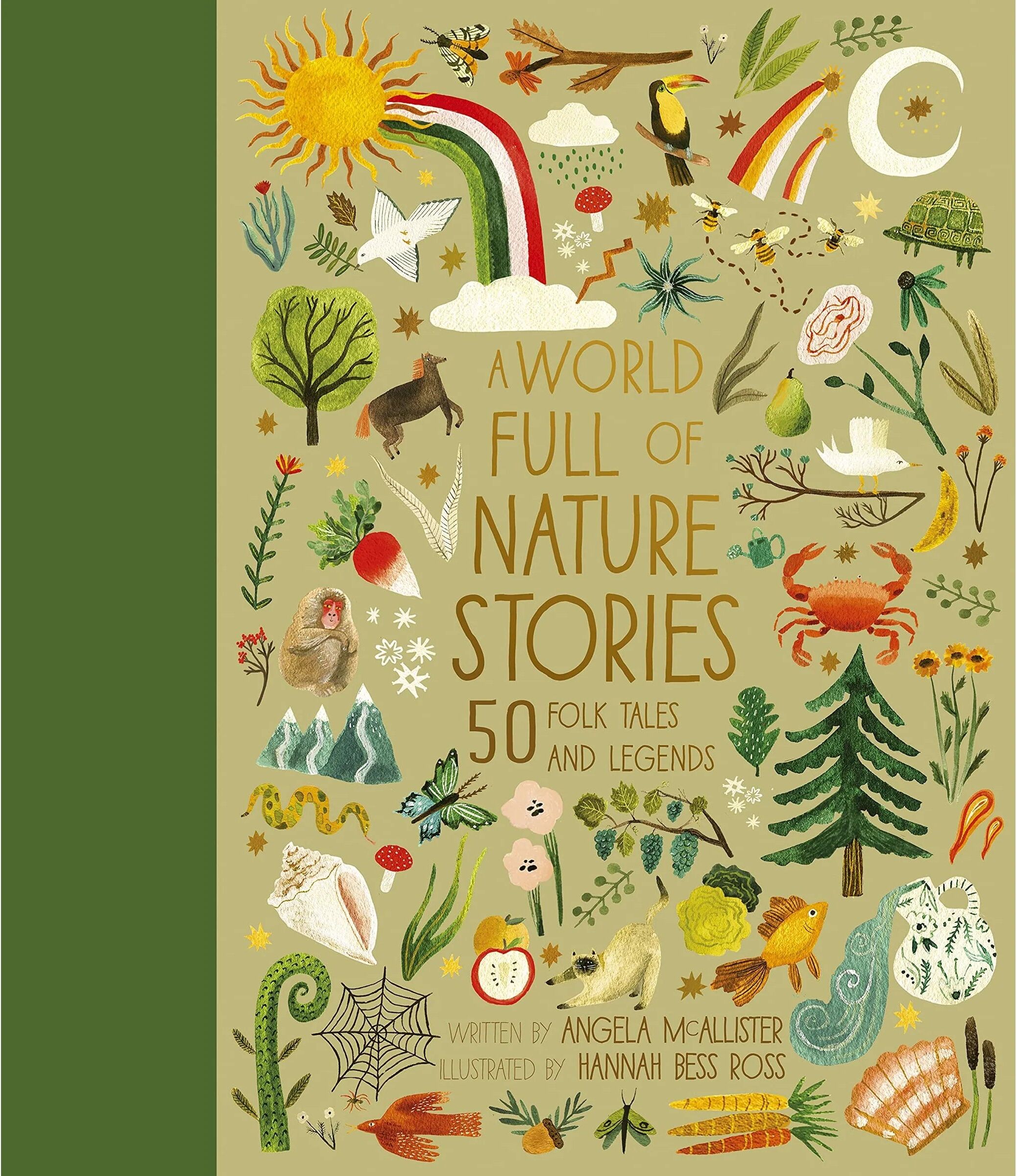
Frances Lincoln Children's Books A World Full of Nature Stories: 50 Folktales and Legends - Angela McAllister - Hardback Anthology - Ages 5-8 - Illustrated Nature Folktales Gift BookA beautifully produced hardback anthology, A World Full of Nature Stories: 50 Folktales and Legends is a collection of fifty folktales, myths, and legends celebrating animals, plants, and the changing seasons. Written by best-selling author Angela McAllister, this book takes young readers on a journey around the globe, illustrated throughout by Hannah Bess Ross. The stories are chosen to celebrate the natural world and humanity's connection to it, featuring tales from cultures across the world, such as the Peruvian tale of Cuniraya and the Magic Fruit and an ancient Khasi folk tale explaining the origin of lightning. This anthology makes a lasting gift for nature-loving children and families who enjoy sharing stories together.14,99 £*Shipping: 2,99 £Secure redirect to the provider
-
Chronicle Books Nordic Tales: Folktales from Norway, Sweden, Finland, Iceland, and Denmark (Nordic Folklore and Stories, Illustrated Nordic Book for Teens and Adults)Trolls haunt the snowy forests, and terrifying monsters roam the open sea.A young woman journeys to the end of the world, and a boy proves he knows no fear.This collection of 16 traditional tales transports readers to the enchanting world of Nordic folklore. Translated and transcribed by folklorists in the 19th century, and presented here unabridged, the stories are by turns magical, hilarious, cozy, and chilling. They offer a fascinating view into Nordic culture and a comforting wintertime read. Ulla Thynell's glowing contemporary illustrations accompany each tale, conjuring dragons, princesses, and the northern lights. This special gift edition features an embossed, textured case and a ribbon marker13,99 £*Shipping: 2,99 £Secure redirect to the provider
-
What is the difference between myths, legends, and folktales?
Myths are traditional stories that often explain the origins of the world, natural phenomena, and cultural beliefs. Legends are stories based on real events or people but often include exaggerated or fictional elements. Folktales are fictional stories passed down orally through generations, often teaching a moral lesson or entertaining listeners. While myths and legends are often rooted in a specific culture or belief system, folktales are more universal and can be found in various cultures around the world. **
-
What are the differences between fairy tales, myths, legends, and folktales?
Fairy tales are fictional stories often involving magical elements and typically have a moral lesson. Myths are traditional stories that explain natural phenomena, religious beliefs, or historical events, often involving gods and heroes. Legends are stories based on real events or people but have been exaggerated over time. Folktales are traditional stories passed down orally within a culture, often teaching a lesson or explaining cultural beliefs. Each genre has its own unique characteristics and serves different purposes within a culture. **
-
What can you do in the botanical garden?
In a botanical garden, you can explore a wide variety of plant species from around the world, including flowers, trees, and shrubs. You can also learn about the different ecosystems and habitats that these plants come from. Many botanical gardens also offer educational programs, guided tours, and workshops on gardening and conservation. Additionally, you can relax and enjoy the beauty of nature, take photographs, and have a peaceful stroll through the gardens. **
-
What is the name of the botanical garden in Romberg Park?
The botanical garden in Romberg Park is called the Rombergpark Botanical Garden. It is located in Dortmund, Germany, and is known for its diverse collection of plants and flowers. The garden is a popular destination for locals and tourists alike, offering a peaceful and scenic environment to explore nature. **
Similar search terms for Folktales
-
Touched by Nature Baby Girl Organic Cotton Hooded Towels, Garden Floral, One Size - Garden Floral - One SizeTouched by Nature organic cotton hooded towels feature three hooded towels made of 100% organic cotton. Our organic cotton fabric is soft, comfortable and cozy for your little one after bath time.25,99 $*Shipping: 0,00 $Secure redirect to the provider
-
Galerie Wallcoverings Secret Garden Botanical Floral Non-woven Matte Wallpaper RollCalming and beautiful botanical wallpaper in matte tones. Inspired by Mother Nature this delicate flower trail wallpaper with a country cottage feel brings the freshness of the outdoors to brighten your home.151,96 $*Shipping: 0,00 $Secure redirect to the provider
-
What does the Botanical Garden in Berlin look like in the spring?
In the spring, the Botanical Garden in Berlin is a vibrant and colorful oasis. The garden comes to life with blooming flowers, blossoming trees, and lush greenery. Visitors can enjoy the sight of tulips, daffodils, and cherry blossoms in full bloom, creating a picturesque and serene atmosphere. The air is filled with the sweet scent of flowers, and the garden is bustling with activity as people come to admire the beauty of nature in full bloom. **
-
What are floral diagrams and floral formulas?
Floral diagrams and floral formulas are tools used by botanists to represent the structure and arrangement of floral parts in a standardized and concise manner. Floral diagrams are graphical representations of a flower's structure, showing the relative position and number of floral parts such as sepals, petals, stamens, and carpels. On the other hand, floral formulas are shorthand notations that use symbols and numbers to represent the same information as the floral diagram, including the symmetry, fusion, and number of each floral part. Both floral diagrams and floral formulas are useful for comparing the floral structures of different plant species and for studying floral evolution and diversity. **
-
How does the foliage change color?
The foliage changes color due to a process called chlorophyll breakdown. As the days get shorter and temperatures drop in the fall, trees stop producing chlorophyll, the green pigment responsible for photosynthesis. This causes the green color to fade, revealing other pigments such as carotenoids (yellows and oranges) and anthocyanins (reds and purples) that were present in the leaves all along. The combination of these pigments creates the vibrant fall colors we see. **
-
Does autumn foliage consist of cellulose?
Yes, autumn foliage does consist of cellulose. Cellulose is a major component of plant cell walls and provides structural support to the plant. As the leaves change color in the autumn, the chlorophyll breaks down and the other pigments in the leaves, such as carotenoids and anthocyanins, become more visible. These pigments are also made up of organic compounds, including cellulose, which gives the leaves their characteristic colors during the fall season. **
* All prices are inclusive of VAT and, if applicable, plus shipping costs. The offer information is based on the details provided by the respective shop and is updated through automated processes. Real-time updates do not occur, so deviations can occur in individual cases. ** Note: Parts of this content were created by AI.