Buy 柊.com ?
We are moving the project
柊.com .
Are you interested in purchasing the domain
柊.com ?
domain@kv-gmbh.de · 0541-91531010
Buy 柊.com ?
What can you do in the botanical garden?
In a botanical garden, you can explore a wide variety of plant species from around the world, including flowers, trees, and shrubs. You can also learn about the different ecosystems and habitats that these plants come from. Many botanical gardens also offer educational programs, guided tours, and workshops on gardening and conservation. Additionally, you can relax and enjoy the beauty of nature, take photographs, and have a peaceful stroll through the gardens. **
What do people learn from nature in terms of biomimicry?
People learn from nature in terms of biomimicry by studying the efficient and sustainable design solutions that have evolved in the natural world over millions of years. By observing and understanding how organisms have adapted to their environments, people can apply these principles to create innovative and sustainable technologies and designs. For example, studying the structure of a bird's wing can inspire more efficient and aerodynamic designs for aircraft. Additionally, learning from the way plants and animals have developed sustainable and circular systems can inform the development of more environmentally friendly industrial processes. **
Similar search terms for Learn
Top-Angebote
Products related to Learn:
-
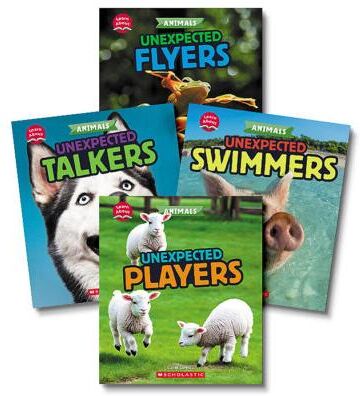
Learn About: Unexpected Animals Value PackThe natural world is filled with animals doing unexpected things! It is hard to believe, but orcas can talk, sloths can swim, some snakes can fly, and octopuses love to play. Each book in this vibrant new nonfiction series explores the unusual...23,99 $*Shipping: 0,00 $Secure redirect to the provider
-
Scholastic Learn The Alphabet & Numbers CollectionHelp your child learn the alphabet and numbers with this interactive bundle.This set contains:I SPY LettersI SPY NumbersScholastic Early Learners: Write-and-Repeat Alphabet PracticeScholastic Early Learners: Write-and-Repeat Number...46,77 $*Shipping: 0,00 $Secure redirect to the provider
-
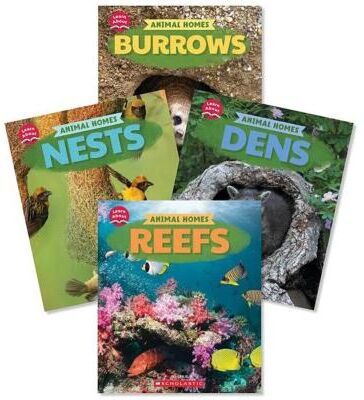
Learn About: Animal Homes Value PackAnimals live in all sorts of amazing homes! These cozy places keep them safe and warm, are conveniently located near food and water, and provide a secure place for their little ones. Some animals build their homes high up in the trees, while others...23,99 $*Shipping: 0,00 $Secure redirect to the provider
-
Little Shepherd Read and Learn Value PackLittle Shepherd Read and Learn Books: Biblically-based stories for children and parents to read, discuss, and grow in faith together.This set includes:Read and Learn: All About Jesus Sticker & Activity BookRead and Learn: Favorite Bible Stories...27,99 $*Shipping: 0,00 $Secure redirect to the provider


-
What do people learn from nature in terms of bionics?
People learn from nature in terms of bionics by studying the efficient and sustainable solutions that have evolved in the natural world over millions of years. By observing how plants and animals have adapted to their environments, scientists and engineers can design innovative technologies that mimic these natural processes. This approach has led to the development of materials, structures, and systems that are more energy-efficient, durable, and environmentally friendly. Overall, nature serves as a source of inspiration and knowledge for creating cutting-edge bionic technologies. **
-
What can we learn from the Native Americans' understanding of nature?
Native Americans have a deep respect for nature and understand the interconnectedness of all living beings. They teach us the importance of living in harmony with the environment and the need to protect and preserve it for future generations. Their understanding of nature also emphasizes the spiritual connection between humans and the natural world, reminding us of the importance of gratitude and reciprocity in our relationship with the Earth. Overall, Native Americans offer valuable lessons on sustainability, conservation, and the importance of honoring and respecting the natural world. **
-
What can we learn from the Native American understanding of nature?
The Native American understanding of nature teaches us the importance of living in harmony with the natural world. They view nature as a sacred and interconnected web of life, where all living beings are respected and valued. This perspective reminds us of the need to protect and preserve the environment for future generations. Additionally, Native American teachings emphasize the interconnectedness of all living beings and the importance of maintaining balance and respect in our relationship with the Earth. **
-
Can one learn to coexist with owls in the garden?
Yes, it is possible to learn to coexist with owls in the garden. Owls are beneficial for controlling rodent populations and can be attracted to gardens by providing suitable habitat such as trees, shrubs, and nest boxes. To coexist with owls, it is important to avoid using rodenticides and pesticides that can harm them, and to minimize outdoor lighting that can disrupt their natural behavior. By creating a welcoming environment for owls and being mindful of their needs, it is possible to peacefully coexist with these fascinating birds in the garden. **
Can one learn how to learn?
Yes, one can learn how to learn. By developing effective study habits, time management skills, and critical thinking abilities, individuals can improve their ability to acquire and retain new information. Additionally, practicing techniques such as active listening, asking questions, and seeking feedback can enhance one's learning process. Continuous self-reflection and adaptation of learning strategies can further optimize the learning experience. **
How can I learn to learn?
To learn to learn, you can start by developing good study habits and time management skills. This includes setting specific goals, breaking down tasks into smaller, manageable parts, and creating a structured study schedule. Additionally, it's important to stay organized, take effective notes, and actively engage with the material through various learning techniques such as summarizing, teaching others, and practicing retrieval. Finally, seeking feedback and reflecting on your learning process can help you identify areas for improvement and make adjustments for future learning. **
Top-Angebote
Products related to Learn:
-
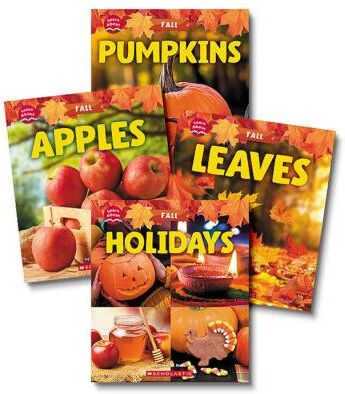
Learn About: Fall Value PackFall is here and so are colorful leaves, delicious apples, orange pumpkins, and lots of celebrations! With this new series, dive into the icons that make fall so much fun. Why do we harvest apples in fall? How does a pumpkin grow? Why do leaves...23,99 $*Shipping: 0,00 $Secure redirect to the provider
-
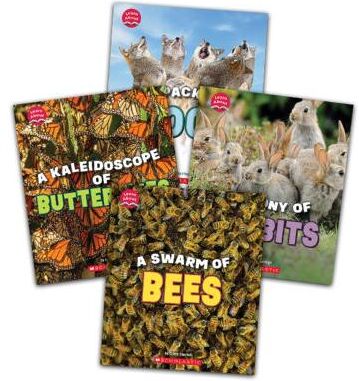
Learn About Animals Value PackWhether it is a group of wild mammals, birds, or even insects, there is a unique name to identify each specific animal group. Groups of bees, butterflies, rabbits, and dogs are the stars of this vibrant new set of LEARN ABOUT books that are packed...23,76 $*Shipping: 0,00 $Secure redirect to the provider
-
Learn About: Unexpected Animals Value PackThe natural world is filled with animals doing unexpected things! It is hard to believe, but orcas can talk, sloths can swim, some snakes can fly, and octopuses love to play. Each book in this vibrant new nonfiction series explores the unusual...23,99 $*Shipping: 0,00 $Secure redirect to the provider
-
Scholastic Learn The Alphabet & Numbers CollectionHelp your child learn the alphabet and numbers with this interactive bundle.This set contains:I SPY LettersI SPY NumbersScholastic Early Learners: Write-and-Repeat Alphabet PracticeScholastic Early Learners: Write-and-Repeat Number...46,77 $*Shipping: 0,00 $Secure redirect to the provider
-
What can you do in the botanical garden?
In a botanical garden, you can explore a wide variety of plant species from around the world, including flowers, trees, and shrubs. You can also learn about the different ecosystems and habitats that these plants come from. Many botanical gardens also offer educational programs, guided tours, and workshops on gardening and conservation. Additionally, you can relax and enjoy the beauty of nature, take photographs, and have a peaceful stroll through the gardens. **
-
What do people learn from nature in terms of biomimicry?
People learn from nature in terms of biomimicry by studying the efficient and sustainable design solutions that have evolved in the natural world over millions of years. By observing and understanding how organisms have adapted to their environments, people can apply these principles to create innovative and sustainable technologies and designs. For example, studying the structure of a bird's wing can inspire more efficient and aerodynamic designs for aircraft. Additionally, learning from the way plants and animals have developed sustainable and circular systems can inform the development of more environmentally friendly industrial processes. **
-
What do people learn from nature in terms of bionics?
People learn from nature in terms of bionics by studying the efficient and sustainable solutions that have evolved in the natural world over millions of years. By observing how plants and animals have adapted to their environments, scientists and engineers can design innovative technologies that mimic these natural processes. This approach has led to the development of materials, structures, and systems that are more energy-efficient, durable, and environmentally friendly. Overall, nature serves as a source of inspiration and knowledge for creating cutting-edge bionic technologies. **
-
What can we learn from the Native Americans' understanding of nature?
Native Americans have a deep respect for nature and understand the interconnectedness of all living beings. They teach us the importance of living in harmony with the environment and the need to protect and preserve it for future generations. Their understanding of nature also emphasizes the spiritual connection between humans and the natural world, reminding us of the importance of gratitude and reciprocity in our relationship with the Earth. Overall, Native Americans offer valuable lessons on sustainability, conservation, and the importance of honoring and respecting the natural world. **
Similar search terms for Learn
-
Learn About: Animal Homes Value PackAnimals live in all sorts of amazing homes! These cozy places keep them safe and warm, are conveniently located near food and water, and provide a secure place for their little ones. Some animals build their homes high up in the trees, while others...23,99 $*Shipping: 0,00 $Secure redirect to the provider
-
Little Shepherd Read and Learn Value PackLittle Shepherd Read and Learn Books: Biblically-based stories for children and parents to read, discuss, and grow in faith together.This set includes:Read and Learn: All About Jesus Sticker & Activity BookRead and Learn: Favorite Bible Stories...27,99 $*Shipping: 0,00 $Secure redirect to the provider
-
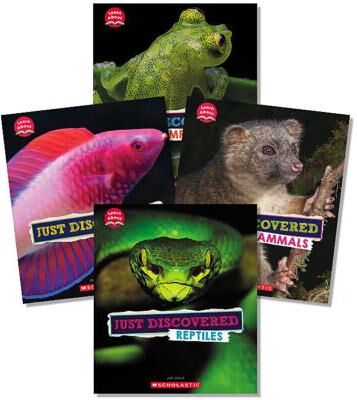
Learn About: Just Discovered Animals Value PackDid you know scientists discover thousands of new species every year? Some are even named after things in popular culture like the Wakanda fish (Black Panther) and the Salazar's pit viper (Harry Potter). This vibrant new set of Learn About books...23,76 $*Shipping: 0,00 $Secure redirect to the provider
-
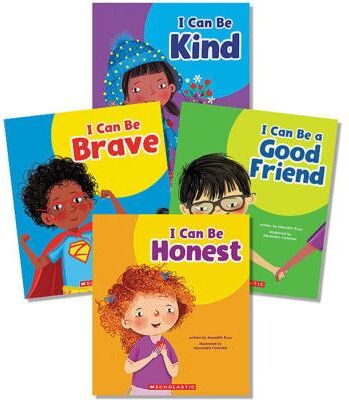
Learn About: Your Best Self (Pack of 4)Learning social skills is a key element of early childhood development and in helping kids develop a healthy identity. These relatable stories in familiar settings explore some of the most important social/emotional needs of young children,...23,76 $*Shipping: 0,00 $Secure redirect to the provider
-
What can we learn from the Native American understanding of nature?
The Native American understanding of nature teaches us the importance of living in harmony with the natural world. They view nature as a sacred and interconnected web of life, where all living beings are respected and valued. This perspective reminds us of the need to protect and preserve the environment for future generations. Additionally, Native American teachings emphasize the interconnectedness of all living beings and the importance of maintaining balance and respect in our relationship with the Earth. **
-
Can one learn to coexist with owls in the garden?
Yes, it is possible to learn to coexist with owls in the garden. Owls are beneficial for controlling rodent populations and can be attracted to gardens by providing suitable habitat such as trees, shrubs, and nest boxes. To coexist with owls, it is important to avoid using rodenticides and pesticides that can harm them, and to minimize outdoor lighting that can disrupt their natural behavior. By creating a welcoming environment for owls and being mindful of their needs, it is possible to peacefully coexist with these fascinating birds in the garden. **
-
Can one learn how to learn?
Yes, one can learn how to learn. By developing effective study habits, time management skills, and critical thinking abilities, individuals can improve their ability to acquire and retain new information. Additionally, practicing techniques such as active listening, asking questions, and seeking feedback can enhance one's learning process. Continuous self-reflection and adaptation of learning strategies can further optimize the learning experience. **
-
How can I learn to learn?
To learn to learn, you can start by developing good study habits and time management skills. This includes setting specific goals, breaking down tasks into smaller, manageable parts, and creating a structured study schedule. Additionally, it's important to stay organized, take effective notes, and actively engage with the material through various learning techniques such as summarizing, teaching others, and practicing retrieval. Finally, seeking feedback and reflecting on your learning process can help you identify areas for improvement and make adjustments for future learning. **
* All prices are inclusive of VAT and, if applicable, plus shipping costs. The offer information is based on the details provided by the respective shop and is updated through automated processes. Real-time updates do not occur, so deviations can occur in individual cases. ** Note: Parts of this content were created by AI.