Buy 柊.com ?
We are moving the project
柊.com .
Are you interested in purchasing the domain
柊.com ?
domain@kv-gmbh.de · 0541-91531010
Buy 柊.com ?
How does the foliage change color?
The foliage changes color due to a process called chlorophyll breakdown. As the days get shorter and temperatures drop in the fall, trees stop producing chlorophyll, the green pigment responsible for photosynthesis. This causes the green color to fade, revealing other pigments such as carotenoids (yellows and oranges) and anthocyanins (reds and purples) that were present in the leaves all along. The combination of these pigments creates the vibrant fall colors we see. **
Does autumn foliage consist of cellulose?
Yes, autumn foliage does consist of cellulose. Cellulose is a major component of plant cell walls and provides structural support to the plant. As the leaves change color in the autumn, the chlorophyll breaks down and the other pigments in the leaves, such as carotenoids and anthocyanins, become more visible. These pigments are also made up of organic compounds, including cellulose, which gives the leaves their characteristic colors during the fall season. **
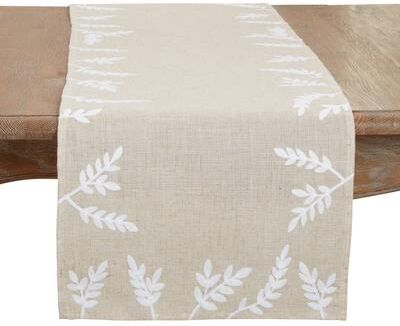
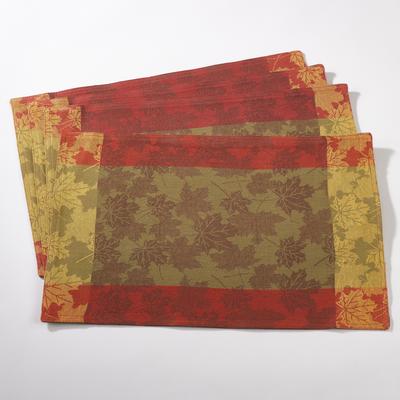
Similar search terms for Saro-Lifestyle-Foliage-Embroidery
Top-Angebote
Products related to Saro-Lifestyle-Foliage-Embroidery:
-
Saro Lifestyle Candy Cane Tablecloth With Christmas Foliage DesignCover your table in warmth, cheer and joyfulness with this lovely Christmas Foliage and Candy Canes Tablecloth. Perfect for entertaining, family gatherings and even casual meals, this highly festive tablecloth brings out the holiday spirit.46,84 $*Shipping: 0,00 $Secure redirect to the provider
-
"Saro Lifestyle Table Runner With Christmas Foliage Design - 16""x72"""The Christmas Foliage Table Runner features a beautiful pine needle and berries print on a crisp white background, a lovely winter-inspired design. It brings texture, depth and dimension to the table, as well as a holiday-perfect richness.34,01 $*Shipping: 0,00 $Secure redirect to the provider
-
Saro Lifestyle Candy Cane Tablecloth With Christmas Foliage DesignCover your table in warmth, cheer and joyfulness with this lovely Christmas Foliage and Candy Canes Tablecloth. Perfect for entertaining, family gatherings and even casual meals, this highly festive tablecloth brings out the holiday spirit.24,35 $*Shipping: 0,00 $Secure redirect to the provider


-
To which plant does this foliage belong?
This foliage belongs to a fern plant. Ferns are known for their feathery or lacy leaves that are called fronds. They are non-flowering plants that reproduce through spores. Ferns are commonly found in moist and shady environments, and they add a lush and tropical feel to gardens and indoor spaces. **
-
Does an ivy shoot die if you spray the foliage with glyphosate?
Yes, spraying the foliage of an ivy shoot with glyphosate will likely cause it to die. Glyphosate is a non-selective herbicide, meaning it will kill any plant it comes into contact with. When sprayed on the foliage, glyphosate is absorbed by the plant and moves throughout its system, ultimately killing it. Therefore, it is important to be careful when using glyphosate near desirable plants to avoid unintended damage. **
-
What is missing in the soil when the leaves or foliage turn pale yellow?
When the leaves or foliage turn pale yellow, it is often a sign of nutrient deficiency in the soil. One of the most common deficiencies associated with pale yellow leaves is a lack of nitrogen. Nitrogen is an essential nutrient for plant growth and is necessary for the production of chlorophyll, which gives leaves their green color. Without enough nitrogen, plants cannot produce enough chlorophyll, leading to pale yellow leaves. Other potential deficiencies that can cause pale yellow leaves include iron, magnesium, and sulfur. It is important to test the soil to determine which nutrient is lacking and then address the deficiency through fertilization or soil amendments. **
-
Does sedentary lifestyle contradict human nature?
A sedentary lifestyle does contradict human nature to some extent. Throughout history, humans have been hunter-gatherers, constantly on the move to find food and resources. Our bodies are designed for movement and physical activity, and a sedentary lifestyle can lead to various health issues such as obesity, heart disease, and diabetes. However, modern society has made it easier for people to live sedentary lifestyles with the advent of technology and desk jobs. It's important for individuals to make a conscious effort to incorporate physical activity into their daily routines to align with our natural inclination for movement. **


What is embroidery thread?
Embroidery thread is a type of thread specifically designed for use in embroidery and other decorative stitching. It is typically made from cotton, silk, or synthetic materials and comes in a wide variety of colors and thicknesses. Embroidery thread is often stronger and more lustrous than regular sewing thread, making it ideal for creating intricate and detailed designs on fabric. It is commonly used in hand embroidery, machine embroidery, and other needlework projects. **
How can I remove embroidery?
To remove embroidery, you can start by carefully cutting the threads on the backside of the fabric using small scissors or a seam ripper. Be sure to only cut the embroidery threads and not the fabric itself. Once the threads are cut, gently pull them out from the front of the fabric. You may need to use tweezers to remove any stubborn threads or residue left behind. **
Top-Angebote
Products related to Saro-Lifestyle-Foliage-Embroidery:
-
Saro Lifestyle Candy Cane Tablecloth With Christmas Foliage DesignCover your table in warmth, cheer and joyfulness with this lovely Christmas Foliage and Candy Canes Tablecloth. Perfect for entertaining, family gatherings and even casual meals, this highly festive tablecloth brings out the holiday spirit.46,84 $*Shipping: 0,00 $Secure redirect to the provider
-
"Saro Lifestyle Table Runner With Christmas Foliage Design - 16""x72"""The Christmas Foliage Table Runner features a beautiful pine needle and berries print on a crisp white background, a lovely winter-inspired design. It brings texture, depth and dimension to the table, as well as a holiday-perfect richness.34,01 $*Shipping: 0,00 $Secure redirect to the provider
-
How does the foliage change color?
The foliage changes color due to a process called chlorophyll breakdown. As the days get shorter and temperatures drop in the fall, trees stop producing chlorophyll, the green pigment responsible for photosynthesis. This causes the green color to fade, revealing other pigments such as carotenoids (yellows and oranges) and anthocyanins (reds and purples) that were present in the leaves all along. The combination of these pigments creates the vibrant fall colors we see. **
-
Does autumn foliage consist of cellulose?
Yes, autumn foliage does consist of cellulose. Cellulose is a major component of plant cell walls and provides structural support to the plant. As the leaves change color in the autumn, the chlorophyll breaks down and the other pigments in the leaves, such as carotenoids and anthocyanins, become more visible. These pigments are also made up of organic compounds, including cellulose, which gives the leaves their characteristic colors during the fall season. **
-
To which plant does this foliage belong?
This foliage belongs to a fern plant. Ferns are known for their feathery or lacy leaves that are called fronds. They are non-flowering plants that reproduce through spores. Ferns are commonly found in moist and shady environments, and they add a lush and tropical feel to gardens and indoor spaces. **
-
Does an ivy shoot die if you spray the foliage with glyphosate?
Yes, spraying the foliage of an ivy shoot with glyphosate will likely cause it to die. Glyphosate is a non-selective herbicide, meaning it will kill any plant it comes into contact with. When sprayed on the foliage, glyphosate is absorbed by the plant and moves throughout its system, ultimately killing it. Therefore, it is important to be careful when using glyphosate near desirable plants to avoid unintended damage. **
Similar search terms for Saro-Lifestyle-Foliage-Embroidery
-
Saro Lifestyle Candy Cane Tablecloth With Christmas Foliage DesignCover your table in warmth, cheer and joyfulness with this lovely Christmas Foliage and Candy Canes Tablecloth. Perfect for entertaining, family gatherings and even casual meals, this highly festive tablecloth brings out the holiday spirit.24,35 $*Shipping: 0,00 $Secure redirect to the provider
-
Saro Lifestyle Candy Cane Tablecloth With Christmas Foliage DesignCover your table in warmth, cheer and joyfulness with this lovely Christmas Foliage and Candy Canes Tablecloth. Perfect for entertaining, family gatherings and even casual meals, this highly festive tablecloth brings out the holiday spirit.43,04 $*Shipping: 0,00 $Secure redirect to the provider
-
Saro Lifestyle Candy Cane Tablecloth With Christmas Foliage DesignCover your table in warmth, cheer and joyfulness with this lovely Christmas Foliage and Candy Canes Tablecloth. Perfect for entertaining, family gatherings and even casual meals, this highly festive tablecloth brings out the holiday spirit.37,71 $*Shipping: 0,00 $Secure redirect to the provider
-
What is missing in the soil when the leaves or foliage turn pale yellow?
When the leaves or foliage turn pale yellow, it is often a sign of nutrient deficiency in the soil. One of the most common deficiencies associated with pale yellow leaves is a lack of nitrogen. Nitrogen is an essential nutrient for plant growth and is necessary for the production of chlorophyll, which gives leaves their green color. Without enough nitrogen, plants cannot produce enough chlorophyll, leading to pale yellow leaves. Other potential deficiencies that can cause pale yellow leaves include iron, magnesium, and sulfur. It is important to test the soil to determine which nutrient is lacking and then address the deficiency through fertilization or soil amendments. **
-
Does sedentary lifestyle contradict human nature?
A sedentary lifestyle does contradict human nature to some extent. Throughout history, humans have been hunter-gatherers, constantly on the move to find food and resources. Our bodies are designed for movement and physical activity, and a sedentary lifestyle can lead to various health issues such as obesity, heart disease, and diabetes. However, modern society has made it easier for people to live sedentary lifestyles with the advent of technology and desk jobs. It's important for individuals to make a conscious effort to incorporate physical activity into their daily routines to align with our natural inclination for movement. **
-
What is embroidery thread?
Embroidery thread is a type of thread specifically designed for use in embroidery and other decorative stitching. It is typically made from cotton, silk, or synthetic materials and comes in a wide variety of colors and thicknesses. Embroidery thread is often stronger and more lustrous than regular sewing thread, making it ideal for creating intricate and detailed designs on fabric. It is commonly used in hand embroidery, machine embroidery, and other needlework projects. **
-
How can I remove embroidery?
To remove embroidery, you can start by carefully cutting the threads on the backside of the fabric using small scissors or a seam ripper. Be sure to only cut the embroidery threads and not the fabric itself. Once the threads are cut, gently pull them out from the front of the fabric. You may need to use tweezers to remove any stubborn threads or residue left behind. **
* All prices are inclusive of VAT and, if applicable, plus shipping costs. The offer information is based on the details provided by the respective shop and is updated through automated processes. Real-time updates do not occur, so deviations can occur in individual cases. ** Note: Parts of this content were created by AI.