Buy 柊.com ?
We are moving the project
柊.com .
Are you interested in purchasing the domain
柊.com ?
domain@kv-gmbh.de · 0541-91531010
Buy 柊.com ?
Why dative?
The dative case is used in many languages to indicate the indirect object of a verb, showing to whom or for whom an action is done. It helps clarify the recipient of an action or the person who benefits from it. By using the dative case, speakers can provide more specific information about the relationships between the subject, verb, and object in a sentence. This case is essential for conveying nuances of meaning and ensuring clear communication in various contexts. **
Dative or accusative?
Dative and accusative are two different cases in grammar that indicate the relationship between a verb and its object. The dative case is used to show the indirect object of a verb, while the accusative case is used to show the direct object. To determine whether to use dative or accusative, you need to consider the verb in the sentence and identify whether the object is receiving the action directly (accusative) or indirectly (dative). **


Similar search terms for Dative
Top-Angebote
Products related to Dative:
-
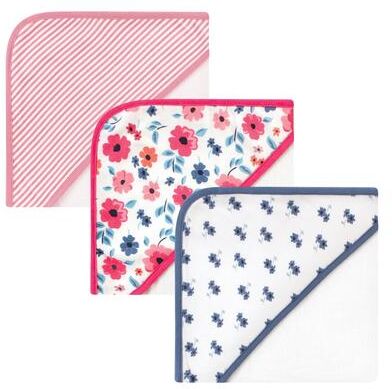
Touched by Nature Baby Girl Organic Cotton Hooded Towels, Garden Floral, One Size - Garden Floral - One SizeTouched by Nature organic cotton hooded towels feature three hooded towels made of 100% organic cotton. Our organic cotton fabric is soft, comfortable and cozy for your little one after bath time.25,99 $*Shipping: 0,00 $Secure redirect to the provider
-
Galerie Wallcoverings Secret Garden Botanical Floral Non-woven Matte Wallpaper RollCalming and beautiful botanical wallpaper in matte tones. Inspired by Mother Nature this delicate flower trail wallpaper with a country cottage feel brings the freshness of the outdoors to brighten your home.151,96 $*Shipping: 0,00 $Secure redirect to the provider
-
Living Luxury "Set of 2 Frosted Burgundy Artificial Boxwood Leaf Stem Plant Greenery Foliage Bush 21in - 21"" L x 12"" W x 12"" DP"Lush and full, these faux boxwood leaf greenery foliage bushes exude a natural and lively feel for your home, office, production,or special event venue.52,49 $*Shipping: 0,00 $Secure redirect to the provider
-
Uplift Picks Botanical Branch And Leaf Wall Sticker For Fresh Nature Inspired Decor Botanical Branch And Leaf Wall Sticker For Fresh Nature Inspired DecorCreate a calmer, more inviting space with greenery that stays beautiful every day. This branch and leaf wall sticker adds a soft botanical accent without requiring plants, shelves, or framed artwork. Designed for anyone who loves simple...66,48 $*Shipping: 0,00 $Secure redirect to the provider


-
Why dative case?
The dative case is used to indicate the indirect object of a sentence, showing to whom or for whom an action is being done. It helps to clarify the relationships between the different elements of a sentence and is essential for conveying the correct meaning. In many languages, including German, Russian, and Latin, the dative case is an important part of the grammar and is used in a wide range of contexts. Overall, the dative case is important for expressing the recipient or beneficiary of an action and is an essential part of understanding and using these languages effectively. **
-
Tolerate dative or accusative?
Whether to use the dative or accusative case in German depends on the verb being used and the prepositions that accompany it. Some verbs require the dative case, such as helfen (to help) or danken (to thank), while others require the accusative case, such as sehen (to see) or essen (to eat). It is important to learn which case each verb requires in order to use the correct form in a sentence. **
-
When to use dative?
The dative case is used in German to indicate the indirect object of a sentence, which is the person or thing that receives the direct object. It is also used after certain prepositions, such as "mit" (with), "nach" (after), and "von" (from). Additionally, the dative case is used with certain verbs that require an indirect object, such as "helfen" (to help) or "antworten" (to answer). **
-
What are dative adjectives?
Dative adjectives are adjectives that are used to describe nouns in the dative case. In many languages, including German and Latin, the dative case is used to indicate the indirect object of a verb or the recipient of an action. Dative adjectives agree in gender, number, and case with the noun they are describing, and they often convey a sense of possession, benefit, or disadvantage. For example, in German, the dative adjective "guten" (good) would be used to describe a masculine singular noun in the dative case, such as "dem Mann" (to the man). **


Dative or Genitive 2?
The choice between dative and genitive case in German depends on the verb or preposition being used. "Dative" is used to indicate the indirect object of a sentence, while "genitive" is used to show possession or a relationship between two nouns. "Genitive 2" specifically refers to the genitive case used after certain prepositions, such as trotz (despite) or während (during). It's important to learn the specific prepositions and verbs that require either dative or genitive case in order to use them correctly in German sentences. **
Is there a difference between the dative case and the dative object?
Yes, there is a difference between the dative case and the dative object. The dative case is a grammatical case that typically indicates the indirect object of a verb or the object of certain prepositions. On the other hand, the dative object refers specifically to the noun or pronoun that is in the dative case in a sentence. In other words, the dative case is a grammatical concept, while the dative object is a specific element within a sentence that is marked by the dative case. **
Top-Angebote
Products related to Dative:
-
Touched by Nature Baby Girl Organic Cotton Hooded Towels, Garden Floral, One Size - Garden Floral - One SizeTouched by Nature organic cotton hooded towels feature three hooded towels made of 100% organic cotton. Our organic cotton fabric is soft, comfortable and cozy for your little one after bath time.25,99 $*Shipping: 0,00 $Secure redirect to the provider
-
Galerie Wallcoverings Secret Garden Botanical Floral Non-woven Matte Wallpaper RollCalming and beautiful botanical wallpaper in matte tones. Inspired by Mother Nature this delicate flower trail wallpaper with a country cottage feel brings the freshness of the outdoors to brighten your home.151,96 $*Shipping: 0,00 $Secure redirect to the provider
-
Why dative?
The dative case is used in many languages to indicate the indirect object of a verb, showing to whom or for whom an action is done. It helps clarify the recipient of an action or the person who benefits from it. By using the dative case, speakers can provide more specific information about the relationships between the subject, verb, and object in a sentence. This case is essential for conveying nuances of meaning and ensuring clear communication in various contexts. **
-
Dative or accusative?
Dative and accusative are two different cases in grammar that indicate the relationship between a verb and its object. The dative case is used to show the indirect object of a verb, while the accusative case is used to show the direct object. To determine whether to use dative or accusative, you need to consider the verb in the sentence and identify whether the object is receiving the action directly (accusative) or indirectly (dative). **
-
Why dative case?
The dative case is used to indicate the indirect object of a sentence, showing to whom or for whom an action is being done. It helps to clarify the relationships between the different elements of a sentence and is essential for conveying the correct meaning. In many languages, including German, Russian, and Latin, the dative case is an important part of the grammar and is used in a wide range of contexts. Overall, the dative case is important for expressing the recipient or beneficiary of an action and is an essential part of understanding and using these languages effectively. **
-
Tolerate dative or accusative?
Whether to use the dative or accusative case in German depends on the verb being used and the prepositions that accompany it. Some verbs require the dative case, such as helfen (to help) or danken (to thank), while others require the accusative case, such as sehen (to see) or essen (to eat). It is important to learn which case each verb requires in order to use the correct form in a sentence. **
Similar search terms for Dative
-
Living Luxury "Set of 2 Frosted Burgundy Artificial Boxwood Leaf Stem Plant Greenery Foliage Bush 21in - 21"" L x 12"" W x 12"" DP"Lush and full, these faux boxwood leaf greenery foliage bushes exude a natural and lively feel for your home, office, production,or special event venue.52,49 $*Shipping: 0,00 $Secure redirect to the provider
-
Uplift Picks Botanical Branch And Leaf Wall Sticker For Fresh Nature Inspired Decor Botanical Branch And Leaf Wall Sticker For Fresh Nature Inspired DecorCreate a calmer, more inviting space with greenery that stays beautiful every day. This branch and leaf wall sticker adds a soft botanical accent without requiring plants, shelves, or framed artwork. Designed for anyone who loves simple...66,48 $*Shipping: 0,00 $Secure redirect to the provider
-
Galerie Wallcoverings Secret Garden Botanical Floral Non-woven Matte Wallpaper RollCalming and beautiful botanical wallpaper in matte tones. Inspired by Mother Nature this delicate flower trail wallpaper with a country cottage feel brings the freshness of the outdoors to brighten your home.151,96 $*Shipping: 0,00 $Secure redirect to the provider
-
When to use dative?
The dative case is used in German to indicate the indirect object of a sentence, which is the person or thing that receives the direct object. It is also used after certain prepositions, such as "mit" (with), "nach" (after), and "von" (from). Additionally, the dative case is used with certain verbs that require an indirect object, such as "helfen" (to help) or "antworten" (to answer). **
-
What are dative adjectives?
Dative adjectives are adjectives that are used to describe nouns in the dative case. In many languages, including German and Latin, the dative case is used to indicate the indirect object of a verb or the recipient of an action. Dative adjectives agree in gender, number, and case with the noun they are describing, and they often convey a sense of possession, benefit, or disadvantage. For example, in German, the dative adjective "guten" (good) would be used to describe a masculine singular noun in the dative case, such as "dem Mann" (to the man). **
-
Dative or Genitive 2?
The choice between dative and genitive case in German depends on the verb or preposition being used. "Dative" is used to indicate the indirect object of a sentence, while "genitive" is used to show possession or a relationship between two nouns. "Genitive 2" specifically refers to the genitive case used after certain prepositions, such as trotz (despite) or während (during). It's important to learn the specific prepositions and verbs that require either dative or genitive case in order to use them correctly in German sentences. **
-
Is there a difference between the dative case and the dative object?
Yes, there is a difference between the dative case and the dative object. The dative case is a grammatical case that typically indicates the indirect object of a verb or the object of certain prepositions. On the other hand, the dative object refers specifically to the noun or pronoun that is in the dative case in a sentence. In other words, the dative case is a grammatical concept, while the dative object is a specific element within a sentence that is marked by the dative case. **
* All prices are inclusive of VAT and, if applicable, plus shipping costs. The offer information is based on the details provided by the respective shop and is updated through automated processes. Real-time updates do not occur, so deviations can occur in individual cases. ** Note: Parts of this content were created by AI.