Buy 柊.com ?
We are moving the project
柊.com .
Are you interested in purchasing the domain
柊.com ?
domain@kv-gmbh.de · 0541-91531010
Buy 柊.com ?
Is "müssen" a noun?
No, "müssen" is not a noun. It is a modal verb in German that means "must" or "have to." Modal verbs are used to express necessity, obligation, or possibility in a sentence. **
Is anger a noun?
Yes, anger is a noun. It is a feeling or emotion that can be experienced by a person. As a noun, anger refers to the strong feeling of displeasure or hostility towards someone or something. It is a common human emotion that can vary in intensity and duration. **

Similar search terms for Noun
Top-Angebote
Products related to Noun:
-
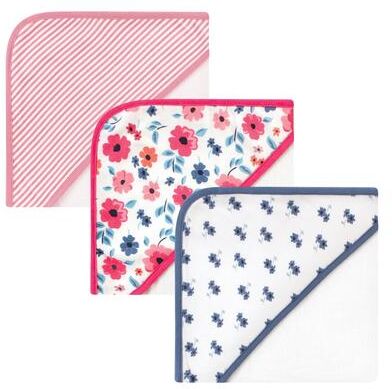
Touched by Nature Baby Girl Organic Cotton Hooded Towels, Garden Floral, One Size - Garden Floral - One SizeTouched by Nature organic cotton hooded towels feature three hooded towels made of 100% organic cotton. Our organic cotton fabric is soft, comfortable and cozy for your little one after bath time.25,99 $*Shipping: 0,00 $Secure redirect to the provider
-
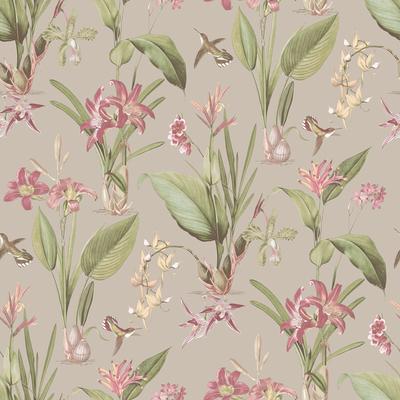
Galerie Wallcoverings Secret Garden Botanical Floral Non-woven Matte Wallpaper RollCalming and beautiful botanical wallpaper in matte tones. Inspired by Mother Nature this delicate flower trail wallpaper with a country cottage feel brings the freshness of the outdoors to brighten your home.151,96 $*Shipping: 0,00 $Secure redirect to the provider
-
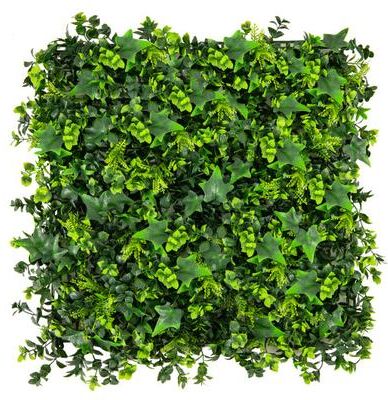
Uplift Picks Botanical Branch And Leaf Wall Sticker For Fresh Nature Inspired Decor Botanical Branch And Leaf Wall Sticker For Fresh Nature Inspired DecorCreate a calmer, more inviting space with greenery that stays beautiful every day. This branch and leaf wall sticker adds a soft botanical accent without requiring plants, shelves, or framed artwork. Designed for anyone who loves simple...66,48 $*Shipping: 0,00 $Secure redirect to the provider
-
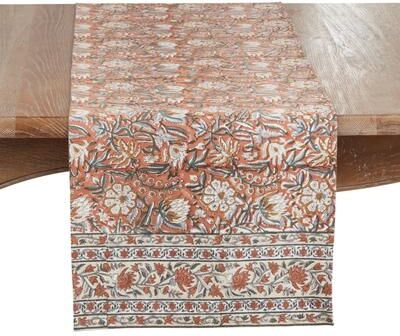
Saro Lifestyle Botanical Garden Table Runner - Cotton Floral Runner for Farmhouse Dining, Cottage Decor & EntertainingBring the beauty of a flourishing garden to your tabletop with this botanical garden table runner featuring an intricate floral and vine pattern accented by decorative border detailing.47,99 $*Shipping: 0,00 $Secure redirect to the provider


-
Is "Rot" a noun?
Yes, "Rot" is a noun. It refers to the process of decay or decomposition in organic matter. **
-
How do I recognize a masculine noun and a feminine noun in French?
In French, the gender of a noun is not always predictable and can vary from word to word. However, there are some general rules to help recognize the gender of a noun. One common rule is that nouns ending in -e are often feminine, while those ending in other letters are often masculine. Additionally, nouns referring to male people or animals are usually masculine, while those referring to female people or animals are usually feminine. However, it's important to note that there are many exceptions to these rules, and the gender of a noun often needs to be learned and memorized along with the word itself. **
-
How can I recognize a masculine noun and a feminine noun in French?
In French, one way to recognize a masculine noun is by looking at the article that precedes it. Masculine nouns are usually preceded by the articles "le" (singular) or "les" (plural). On the other hand, feminine nouns are typically preceded by the articles "la" (singular) or "les" (plural). Additionally, many feminine nouns end in the letter "e," while masculine nouns often do not. It is important to remember that there are exceptions to these rules, so it is helpful to learn the gender of nouns along with their respective articles. **
-
What are German noun signals?
German noun signals are words that indicate the gender of a noun in the German language. These signals can help learners determine whether a noun is masculine, feminine, or neuter. Some common signals include definite articles like "der" for masculine nouns, "die" for feminine nouns, and "das" for neuter nouns. Additionally, the ending of a noun can also serve as a signal, as certain endings are typically associated with specific genders. **

Is this a proper noun?
No, this is not a proper noun. **
Which word is a noun?
The word "apple" is a noun. **
Top-Angebote
Products related to Noun:
-
Touched by Nature Baby Girl Organic Cotton Hooded Towels, Garden Floral, One Size - Garden Floral - One SizeTouched by Nature organic cotton hooded towels feature three hooded towels made of 100% organic cotton. Our organic cotton fabric is soft, comfortable and cozy for your little one after bath time.25,99 $*Shipping: 0,00 $Secure redirect to the provider
-
Galerie Wallcoverings Secret Garden Botanical Floral Non-woven Matte Wallpaper RollCalming and beautiful botanical wallpaper in matte tones. Inspired by Mother Nature this delicate flower trail wallpaper with a country cottage feel brings the freshness of the outdoors to brighten your home.151,96 $*Shipping: 0,00 $Secure redirect to the provider
-
Is "müssen" a noun?
No, "müssen" is not a noun. It is a modal verb in German that means "must" or "have to." Modal verbs are used to express necessity, obligation, or possibility in a sentence. **
-
Is anger a noun?
Yes, anger is a noun. It is a feeling or emotion that can be experienced by a person. As a noun, anger refers to the strong feeling of displeasure or hostility towards someone or something. It is a common human emotion that can vary in intensity and duration. **
-
Is "Rot" a noun?
Yes, "Rot" is a noun. It refers to the process of decay or decomposition in organic matter. **
-
How do I recognize a masculine noun and a feminine noun in French?
In French, the gender of a noun is not always predictable and can vary from word to word. However, there are some general rules to help recognize the gender of a noun. One common rule is that nouns ending in -e are often feminine, while those ending in other letters are often masculine. Additionally, nouns referring to male people or animals are usually masculine, while those referring to female people or animals are usually feminine. However, it's important to note that there are many exceptions to these rules, and the gender of a noun often needs to be learned and memorized along with the word itself. **
Similar search terms for Noun
-
Uplift Picks Botanical Branch And Leaf Wall Sticker For Fresh Nature Inspired Decor Botanical Branch And Leaf Wall Sticker For Fresh Nature Inspired DecorCreate a calmer, more inviting space with greenery that stays beautiful every day. This branch and leaf wall sticker adds a soft botanical accent without requiring plants, shelves, or framed artwork. Designed for anyone who loves simple...66,48 $*Shipping: 0,00 $Secure redirect to the provider
-
Saro Lifestyle Botanical Garden Table Runner - Cotton Floral Runner for Farmhouse Dining, Cottage Decor & EntertainingBring the beauty of a flourishing garden to your tabletop with this botanical garden table runner featuring an intricate floral and vine pattern accented by decorative border detailing.47,99 $*Shipping: 0,00 $Secure redirect to the provider
-
Galerie Wallcoverings Secret Garden Botanical Floral Non-woven Matte Wallpaper RollCalming and beautiful botanical wallpaper in matte tones. Inspired by Mother Nature this delicate flower trail wallpaper with a country cottage feel brings the freshness of the outdoors to brighten your home.151,96 $*Shipping: 0,00 $Secure redirect to the provider
-
How can I recognize a masculine noun and a feminine noun in French?
In French, one way to recognize a masculine noun is by looking at the article that precedes it. Masculine nouns are usually preceded by the articles "le" (singular) or "les" (plural). On the other hand, feminine nouns are typically preceded by the articles "la" (singular) or "les" (plural). Additionally, many feminine nouns end in the letter "e," while masculine nouns often do not. It is important to remember that there are exceptions to these rules, so it is helpful to learn the gender of nouns along with their respective articles. **
-
What are German noun signals?
German noun signals are words that indicate the gender of a noun in the German language. These signals can help learners determine whether a noun is masculine, feminine, or neuter. Some common signals include definite articles like "der" for masculine nouns, "die" for feminine nouns, and "das" for neuter nouns. Additionally, the ending of a noun can also serve as a signal, as certain endings are typically associated with specific genders. **
-
Is this a proper noun?
No, this is not a proper noun. **
-
Which word is a noun?
The word "apple" is a noun. **
* All prices are inclusive of VAT and, if applicable, plus shipping costs. The offer information is based on the details provided by the respective shop and is updated through automated processes. Real-time updates do not occur, so deviations can occur in individual cases. ** Note: Parts of this content were created by AI.